PRP for Ulcers
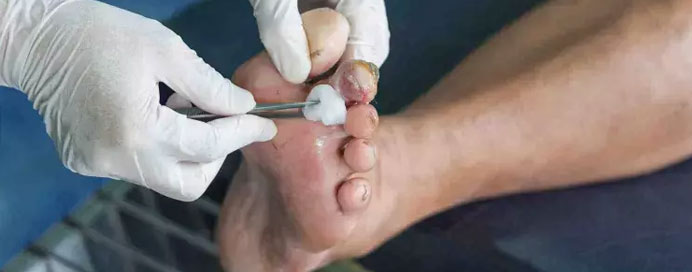
PRP therapy is a cutting-edge regenerative treatment offered under dermatosurgery for chronic or non-healing ulcers, including diabetic foot ulcers, venous ulcers, and pressure sores. This therapy uses the patient’s own platelet-rich plasma, which is rich in growth factors, to stimulate tissue repair, improve collagen formation, and accelerate wound healing. PRP is minimally invasive, safe, and effective for ulcers that do not respond to conventional treatments, helping reduce infection risk, inflammation, and recovery time.
How PRP Works for Ulcers
- Growth factors in PRP stimulate tissue regeneration and repair.
- Enhances collagen production for stronger and faster healing.
- Improves blood circulation to the affected ulcer area.
- Activates dormant cells to promote natural tissue regeneration.
- Reduces local inflammation and supports healing.
Benefits of PRP Therapy for Ulcers
- Accelerates the healing of chronic or non-healing ulcers.
- Minimally invasive procedure with high safety profile.
- Reduces pain and discomfort at the ulcer site.
- Lowers risk of infection and related complications.
- Improves overall skin and tissue quality in the affected area.
Procedure and Treatment Protocol
- Patient’s blood is drawn and processed to extract platelet-rich plasma.
- PRP is applied topically or injected around the ulcer site.
- Multiple sessions may be required depending on ulcer severity.
- Healing progress is closely monitored by the dermatosurgeon.
- Can be combined with standard wound care or other therapies for enhanced results.