Fungal, Viral & Bacterial Skin Infections
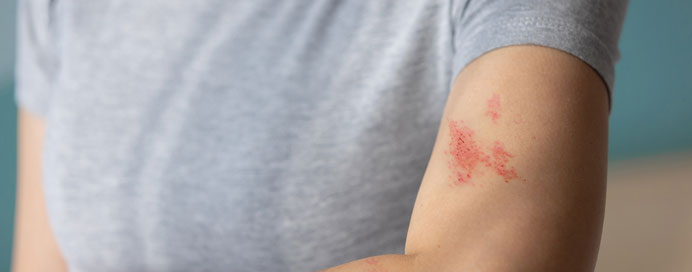
Skin infections caused by fungi, viruses, and bacteria are common and can affect people of all age groups. These infections develop when harmful microorganisms invade the skin, often due to factors such as poor hygiene, excessive sweating, humid climate, weak immunity, cuts or wounds, and close contact with infected individuals. Skin infections may vary from mild to severe and can spread if not treated promptly. Early diagnosis and appropriate treatment are essential to relieve symptoms, prevent complications, and stop recurrence.
Fungal Skin Infections
Fungal infections thrive in warm, moist environments and commonly affect areas such as the groin, feet, scalp, nails, and skin folds. Conditions like ringworm, athlete’s foot, and candidiasis are frequently seen.
Common Symptoms
- Itching, redness, and scaling
- Circular or ring-shaped rashes
- White patches or cracking between toes
- Thickened or discolored nails
Treatment Approach
- Antifungal creams, lotions, or powders
- Oral antifungal medications for extensive infections
- Maintaining proper hygiene and dryness
- Preventive skin care to avoid recurrence
Viral Skin Infections
Viral skin infections are caused by viruses and are often contagious. They may spread through direct skin contact or contaminated surfaces. Common examples include warts, herpes infections, molluscum contagiosum, and viral rashes.
Common Symptoms
- Fluid-filled blisters or sores
- Small raised bumps or growths
- Pain, burning, or tingling sensation
- Fever or general discomfort in some cases
Treatment Approach
- Antiviral medications when required
- Procedures for lesion removal in selected cases
- Symptom management and immune support
- Preventive measures to limit spread
Bacterial Skin Infections
Bacterial skin infections occur when bacteria enter through cuts, wounds, or broken skin. Conditions such as impetigo, cellulitis, folliculitis, and boils are commonly seen.
Common Symptoms
- Red, swollen, warm, and painful skin
- Pus-filled lesions or crusting
- Fever in severe infections
- Rapid spread of redness or swelling
Treatment Approach
- Antibiotic creams or oral antibiotics
- Proper wound cleaning and care
- Drainage of abscesses if needed
- Monitoring to prevent complications
Prevention & Skin Care Tips
- Maintain good personal hygiene
- Keep skin clean and dry
- Avoid sharing personal items
- Treat minor cuts and wounds promptly
- Strengthen immunity with healthy lifestyle habits
- Seek early treatment for persistent skin issues